
Phoenix Guide: Fix or Swap Your Hydraulic Cylinder
Hydraulics, Equipment Maintenance, Phoenix AZ
Hydraulic Cylinder Repair vs. Replacement — Phoenix AZ
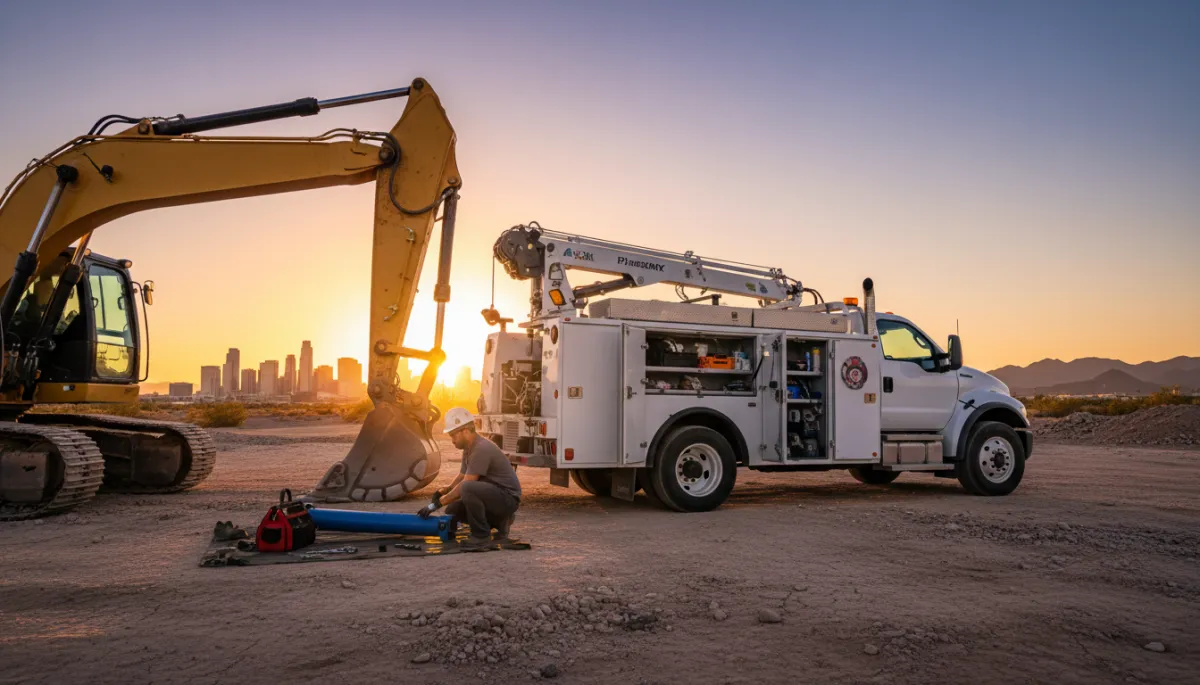
When a hydraulic cylinder goes down on a piece of equipment, every hour of downtime costs money. For Phoenix-area contractors, fleet managers, and equipment owners, the big question is simple: should you repair the cylinder, rebuild it, or replace it altogether? This guide walks you through that decision in clear, non-technical language, with practical advice from the local mobile specialists at Hydraulics Dunn Right.
Start with the Basics: What Is Your Cylinder Telling You?
Most hydraulic cylinder problems start with a few common warning signs: oil on the rod, loss of power, chattering movements, or a cylinder that will not hold pressure. Before you can decide between repair and replacement, it helps to understand the difference between a simple seal issue and more serious internal damage. For more ongoing care and inspection ideas, you can review these hydraulic repair tips for Phoenix contractors.
Seal Leaks vs. Bent or Scored Rods
A light film of oil around the rod or small drips at the gland usually point to worn or damaged seals. In many cases, this is a straightforward fix. A professional can remove the cylinder, replace the seals, clean internal parts, and have you back up and running without replacing major components. This type of hydraulic cylinder repair in Phoenix is often cost-effective, especially for cylinders on loaders, skid steers, dump trucks, and industrial equipment that see daily use in the heat and dust.
Things change when the rod itself is damaged. If the rod is:
- Visibly bent after a hard impact, overload, or side load
- Scored or gouged from running with dirt, rust, or metal shavings
- Pitted from corrosion or long-term exposure to the elements
Those defects can tear up new seals in a hurry and lead to repeated failures. Minor scoring can sometimes be polished out during a hydraulic cylinder rebuild in Arizona, but a badly bent or deeply scored rod may need to be replaced or re-chromed. At that point, you and your hydraulic specialist should compare the cost of those parts and labor against the price of a complete new cylinder.
Bore Damage: The Hidden Problem Inside the Barrel
The bore is the smooth inner surface of the cylinder barrel that the piston travels against. You cannot see it from the outside, but it plays a huge role in whether a repair makes sense. Over time, especially in dusty, hot conditions like we see across the Phoenix valley, contamination and wear can cause:
- Scoring along the bore, which chews up seals and reduces power
- Out-of-round wear, where the bore is no longer perfectly circular
- Deep grooves from metal debris or a broken component inside the cylinder
Light bore damage can sometimes be honed and reused. But if the bore is severely worn, a proper hydraulic cylinder rebuild means re-tubing or sleeving the barrel. That adds cost and labor, which is why an honest shop will talk openly with you about whether the equipment justifies that level of work or if a replacement cylinder is the smarter long-term choice. To better understand how Phoenix heat accelerates hydraulic failures, it also helps to look at how temperature and contamination work together to damage bores and seals over time—and why year-round hydraulic maintenance in Phoenix's desert climate pays off in fewer breakdowns.
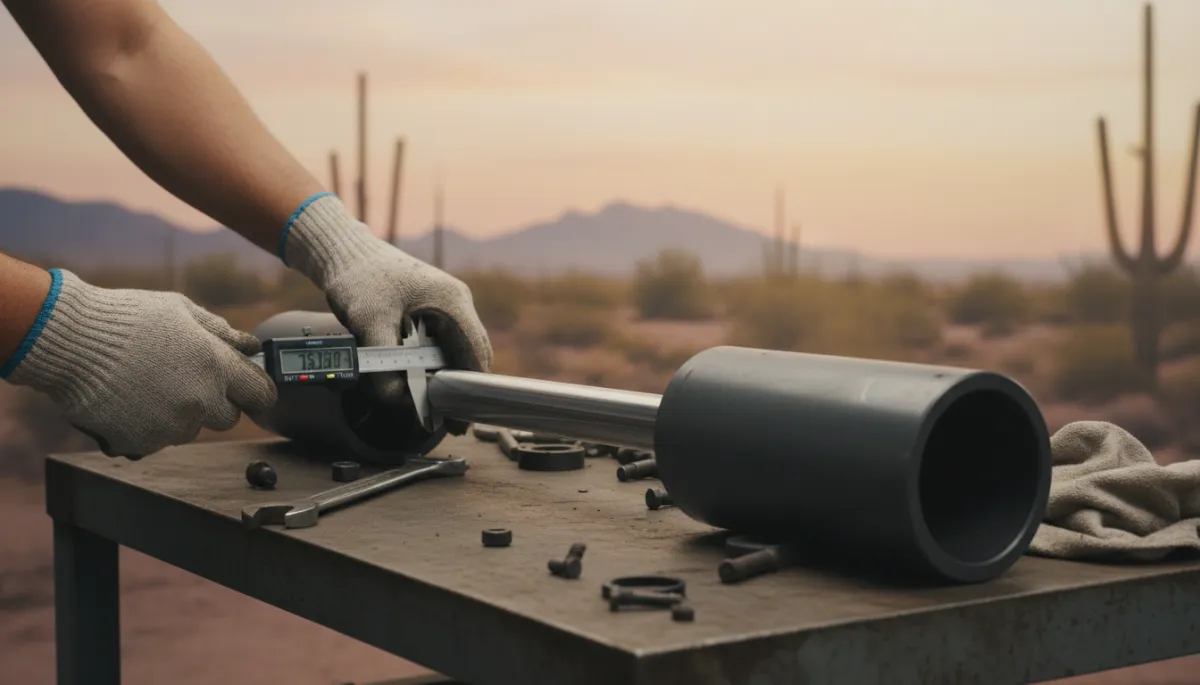
Careful rod and bore inspection helps avoid repeat failures and wasted repair costs.
Cost Thresholds: When Repair Stops Making Financial Sense
Every situation is different, but a helpful rule of thumb for many Phoenix operators is this: if a proper repair or rebuild starts to approach 50–60% of the cost of a quality replacement cylinder, it is time to slow down and think carefully. That is especially true when:
- The cylinder has a history of repeated failures or leaks
- Other components on the same machine are also aging out
- Downtime costs on that piece of equipment are high
On the other hand, if the cylinder body and rod are in good shape and the main issue is seals, a professional hydraulic cylinder repair in Phoenix can often be done for far less than replacement, while still restoring full performance and reliability. The key is getting a clear, written estimate that separates parts and labor so you can see exactly where your money is going.
How Equipment Age and Usage Affect the Decision
The age of your equipment and how hard it works in Phoenix conditions should always factor into the repair-or-replace conversation. Consider these points:
- Newer equipment: If the machine is relatively new and in otherwise good condition, investing in a quality repair or hydraulic cylinder rebuild in Arizona usually makes strong financial sense. You are protecting a newer asset and avoiding the learning curve of replacing the machine itself, especially when you pair it with a desert-proofing and maintenance guide for Phoenix hydraulic equipment.
- Mid-life equipment: For machines in the middle of their expected life, a rebuild can be a smart way to “reset the clock” on the hydraulic system and squeeze more productive years out of the asset.
- End-of-life equipment: When a machine is already near retirement, spending heavily on a badly damaged cylinder may not be wise. In some cases, a lower-cost repair that gets you through the rest of the season is more realistic than a full rebuild.
Phoenix heat, dust, and stop-and-go job schedules are hard on hydraulics. An experienced mobile hydraulic repair Phoenix AZ specialist will look not only at the cylinder, but also at hoses, fittings, and mounting points to help you decide whether a repair will truly hold up in your real-world conditions.
What to Expect When You Call a Mobile Hydraulic Repair Specialist in Phoenix
When you call a mobile team like Hydraulics Dunn Right, you should expect a process that is straightforward and focused on minimizing your downtime, not upselling you on parts you do not need. A typical service call looks like this:
- Initial phone conversation: You describe the symptoms, equipment type, and location. The technician may ask for photos or a short video so they can arrive prepared with likely seals, tools, and fittings.
- On-site inspection: The mobile tech inspects the cylinder, looks for leaks, checks rod condition, and evaluates mounting and hose routing. They will explain in plain language what they see and what that means for your options.
- Clear estimate and options: You receive a straightforward estimate for repair or rebuild, and, if appropriate, a price range for replacement. A trustworthy provider will tell you honestly if the cylinder is a good candidate for repair or if replacement is the better value.
- On-site or shop work: Many seal jobs and minor rod issues can be handled right on your jobsite or yard. More complex bore or rod work may require the cylinder to be taken back to the shop and returned once rebuilt.
- Testing and follow-up: After reinstallation, the technician will cycle the equipment, check for leaks, and make sure the cylinder operates smoothly under load. You should also get guidance on how to spot early warning signs in the future.
Why Phoenix Contractors Trust Hydraulics Dunn Right
In a market full of options, Hydraulics Dunn Right has built its reputation in Phoenix and the surrounding valley on honesty, clear communication, and on-site convenience. As a dedicated mobile hydraulic service, they come to your yard, jobsite, or facility, saving you the hassle of hauling disabled equipment across town in the heat or traffic.
Their technicians see the same challenges you do every day: cylinders exposed to dust storms, sun-baked seals, and equipment that has to start on time for early-morning pours and deliveries. That local experience matters. It means they can quickly tell the difference between a simple seal job and a cylinder that is likely to fail again if you do not address deeper rod or bore damage.
Whether you manage a small fleet of skid steers or a large mix of trucks, lifts, and industrial equipment, Hydraulics Dunn Right focuses on long-term reliability, not short-term band-aids. If a repair is the smart move, they will say so. If replacement is the better investment, they will explain why in simple terms so you can make a confident decision.
Making the Right Choice for Your Fleet and Your Budget
Deciding whether to repair or replace a hydraulic cylinder does not have to be a guessing game. By paying attention to seal leaks versus rod damage, understanding the impact of bore condition, weighing cost thresholds, and considering the age of your equipment, you can choose the option that protects both your budget and your uptime.
When you need straightforward advice and fast, on-site service for hydraulic cylinder repair Phoenix wide, Hydraulics Dunn Right is ready to help. From simple seal replacements to full hydraulic cylinder rebuild Arizona contractors can rely on, their mobile team brings the shop to you—so your equipment can get back to work where it belongs.
SEO Title: Repair or Replace? Hydraulic Cylinder Repair Phoenix Guide for Equipment Owners
Meta Description: Learn how Phoenix equipment owners can decide between hydraulic cylinder repair, rebuild, or replacement. Hydraulics Dunn Right explains seal leaks, rod and bore damage, cost thresholds, and what to expect from a mobile hydraulic repair specialist in Phoenix AZ.